How Building Artificial Roof Resists Freeze-Thaw Damages in Midwest Homes
@trentoninmz840
Anyone who has actually owned a home in the Midwest enough time has actually seen what winter season does to developing materials. A roof can look fine in October, after that by March it is revealing slipped pieces, fractured edges, loose flashing, or indications of wetness where it must be bone dry. The damage rarely comes from one dramatic snowstorm. More often, it comes from repeating. Water enters a tiny opening, temperatures drop over night, that water ices up and increases, after that daytime sun starts the cycle once more. By the end of the season, the roofing has been stressed out lots of times.
That freeze-thaw cycle is particularly tough on conventional roof products with all-natural pores, brittle sides, or irregular fastening areas. It is one factor much more property owners are inquiring about building artificial roofing when they intend a remodel or an artificial roofing system substitute. In places like Chicago, Naperville, and the broader Chicagoland suburbs, that passion is not nearly looks. It has to do with resilience in a climate that penalizes weak spots.
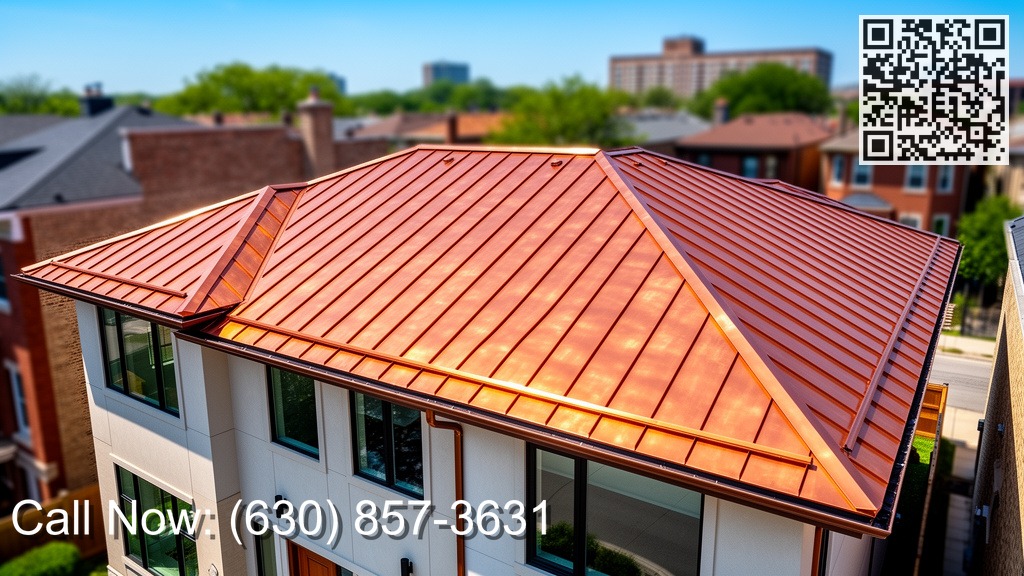
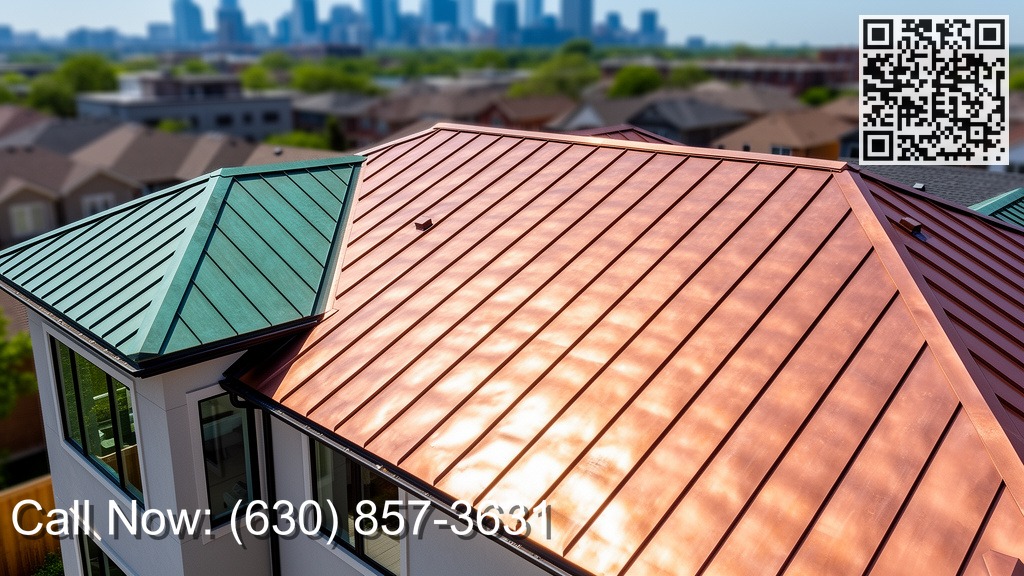
Architectural synthetic roof has gained interest since it attends to the specific problems that create winter roof failures. It can mimic slate, shake, or other premium accounts, yet the real story is what occurs below the surface. The product make-up, fastening style, influence resistance, and lower water absorption all aid these roofings withstand freeze-thaw stress in such a way numerous property owners do not expect till they see the distinction over numerous winters.
Why freeze-thaw is so devastating on Midwest roofs
Freeze-thaw damage begins with moisture, yet the real culprit is movement. Water increases by approximately 9 percent when it freezes. That growth matters when water has worked its means right into a hairline fracture, a joint, a nail penetration, or the exposed end grain of a roof covering product. As ice kinds, it widens the opening. When temperature levels climb up over freezing, the ice thaws and water can travel also farther right into the product. Then the next cold snap repeats the process.
Midwest weather condition creates the best setup for this. In lots of components of Illinois and the surrounding area, winter season temperature levels can swing from single figures to the high 30s or low 40s within a day or more. South-facing roof covering slopes take straight winter sun, which accelerates daytime thawing even while shaded areas remain frozen. Add wind-driven snow, over night refreezing at the eaves, and periodic ice damming, and you have conditions that check every part of the roof system.
The damages does not constantly turn up where house owners expect. People commonly search for a missing roof shingles after a storm, however freeze-thaw damage tends to be subtler at first. It may appear as fractured corners, raised sides, a ridge cap that no longer exists flat, or little pathways for water around flashings and infiltrations. By the time a leakage reaches a ceiling stain, the roof covering has usually been stopping working quietly for a while.
What makes building artificial roof covering different
The term "artificial roofs" covers a wide group, so it helps to be specific. Building synthetic roofing typically describes crafted roof covering products created to reproduce the appearance of slate, cedar shake, or other dimensional materials while improving efficiency. These are not lightweight plastic panels. Premium artificial roof products are normally made from advanced polymer blends, recycled composite materials, or proprietary resin formulations made for resilience, versatility, and weather condition resistance.
That distinction matters in winter. Natural materials have appeal, yet they also have vulnerabilities. Real wood shake can soak up dampness and split. All-natural slate is long lasting, however individual pieces can split under impact or if they are worried at attachment factors. Lower-grade asphalt items can end up being weak as they age, especially after years of UV exposure.
By comparison, durable synthetic roof shingles and floor tiles are engineered to limit water absorption and preserve adaptability across a broader temperature variety. When an item does not readily soak up moisture, it offers freeze-thaw growth much less chance to do harm inside. When it remains resilient rather than turning breakable in the cold, it is better able to tolerate movement from thermal cycling, wind uplift, and effect from hail or dropping ice.
This is where household synthetic roofing commonly exceeds assumptions. Home owners might first select it for curb allure, specifically in communities with historic homes or personalized constructs, but after a couple of wintertimes they begin to appreciate the less visible benefit: the roof simply manages Midwestern climate with less drama.
Low water absorption transforms the game
If I needed to indicate one attribute that many straight associates with freeze-thaw resistance, it would be water absorption. Typical freeze-thaw failing depends upon wetness entering the product itself or getting entraped in susceptible locations. Many artificial roof are engineered to withstand dampness penetration at a product degree, not simply on the surface.
That is a major difference from all-natural wood items and even from some masonry-based products. An artificial tile that drops water effectively and soaks up extremely little of it is less most likely to endure inner expansion anxiety when temperature levels go down. The roofing still requires appropriate blinking, underlayment, air flow, and water drainage, however the area product itself is less vulnerable to winter season damage.
This does not indicate all synthetic products carry out just as. Costs artificial roof covering tends to have tighter manufacturing resistances and better long-lasting stability than bargain items. In the field, those information issue. A roof covering floor tile with irregular density, weak locking sides, or inadequate UV security might not mature gracefully, also if it looks good at installment. That is why product choice and installer experience matter equally as much as the group itself.
Flexibility in the cold aids prevent cracking
One of the frustrations with older or more weak roof materials is just how they behave during the very first actually chilly stretch of the period. Something as tiny as a branch tapping the roofing, an employee stepping in the wrong area, or a piece of moving ice can trigger splitting if the material has actually shed flexibility. As soon as a fracture starts, water follows.
Architectural artificial roofing is often much better at preserving effect resistance and flexibility in low temperature levels. That matters in Chicago and surrounding suburban areas where a wintertime roof might see snow cover, sleet, wind-driven debris, and temperature level whiplash in the exact same week. A material that can bend somewhat under tension rather than snapping has a much better chance of enduring intact.
I have seen homeowners think that hefty means durable and lightweight means vulnerable. On roofings, that is not always real. Some synthetic roof are far lighter than slate or concrete tile, yet they take care of freeze-thaw stress much better due to the fact that they relocate with the structure instead of resisting every small change. Roofing system decks expand and agreement. Framing steps a little with humidity and temperature level. Bolts react to thermal cycling. A roofing covering that endures that movement without splitting has a real advantage.
The account of the roof impacts winter months performance too
Architectural artificial roof covering is not simply a product selection. It is likewise a profile and system selection. Many items are developed with much deeper darkness lines, interlocks, and water-shedding pathways that help move melting snow and rain off the roofing system a https://mylesbuos332.birchreport.com/posts/residential-synthetic-roof-covering-solutions-for-long-lasting-midwest-defense lot more efficiently. That improved drain can reduce the amount of standing water that remains at overlaps or at risk transitions.
On a steep-slope roof covering, this matters a lot. Snow does not merely go away when temperatures climb. It melts unevenly, frequently starting higher up on sun-warmed inclines while reduced areas continue to be icy. If a roofing account networks that sprinkle cleanly toward the eaves, the roof covering spends less time with wetness floating at joints. If the item also has safe and secure side laps and effectively made head laps, the chance of wind-driven meltwater backing into the assembly drops.
An excellent artificial roofing contractor will take note not simply to the noticeable tile or shingle, yet to just how the entire assembly acts under winter months problems. That consists of underlayment selection, ice-and-water membrane positioning, air flow technique, blinking combination, ridge details, and securing approaches. The product can be outstanding, yet if the roof covering system is badly made, freeze-thaw damages will still discover a method in.
Ice dams are a different problem, yet artificial roof still helps
It is necessary to be specific below. No roof product gets rid of ice dams by itself. Ice dams are generally driven by heat loss from the house, attic room air leakage, poor insulation, and uneven roof covering temperature levels. Even the best artificial roofing installation can not make up for an inadequately carrying out structure envelope.
That stated, synthetic roofing can still play a useful duty. Due to the fact that lots of synthetic items have steady dimensions, safe and secure interlocks, and less fragile exposed edges, they often hold up better when ice forms and meltwater backs up temporarily. If water is required uphill by an ice dam, the roof covering still counts on underlayment and blinking as the primary protection, however the area material is much less most likely to split or divide while under stress.
In sensible terms, that can suggest a roofing that comes through repeated winters with less repair services. Homeowners may still require attic enhancements to fix the root cause of ice damming, yet the roofing covering itself is much less likely to experience collective damages along the way.
Why this issues for Midwest deluxe homes and customized architecture
Synthetic roof for high-end homes has come to be increasingly prominent in the Midwest for an easy factor: home owners want the appearance of slate or cedar without acquiring every upkeep issue that can come with those products in a tough climate. Huge customized homes often have complicated rooflines, numerous valleys, dormers, turret details, and long eave runs. Those features create appeal, yet they also create extra locations where snow, ice, and meltwater can gather.
A facility roof amplifies the consequences of freeze-thaw anxiety. More changes suggest more blinking. Much more roof covering aircrafts imply even more snow drift patterns. More valleys indicate more concentrated water flow during a thaw. On that particular type of home, a durable roof is not a luxury in the superficial sense of words. It is risk management.
This is where building synthetic roof covering typically radiates. It offers designers the dimensional appearance they want while lowering dead tons compared with all-natural slate or concrete. That lower weight can be particularly beneficial in remodelling projects where structural upgrades would or else be required. It additionally often tends to streamline handling and placement during setup, which can enhance uniformity on intricate roofing geometries.
In affluent residential areas where house owners respect resale value and lasting appearance, premium artificial roofing also has a useful aesthetic benefit. It tends to weather even more uniformly than all-natural wood and prevents several of the random damage patterns seen with brittle products. A roof covering that still looks composed after several extreme winters contributes to the general perception of the house.
Installation high quality is what transforms material efficiency into real-world performance
This is the point lots of write-ups avoid, however it is the one professionals handle every period. A high-performance roof covering product can fail early if it is installed carelessly. Freeze-thaw resistance depends upon information. Bolts must be placed correctly. Flashings need correct overlap and secure integration. Ventilation can not be guessed at. Infiltrations need to be blinked in such a way that anticipates snow, ice, and wind, not simply summer rain.
When homeowners search for a synthetic roofing firm, they commonly contrast brand names first. That makes sense, yet the installer should have equal examination. An artificial roofer that understands Midwest climate problems will certainly come close to the job in a different way from a staff that primarily mounts basic asphalt in milder areas. The very best synthetic roofing installers consider where wandering occurs, how valleys will certainly manage ice, where warmth loss might produce chronic thaw points, and just how regional code requirements converge with supplier specifications.
For home owners seeking artificial roof covering Chicago solutions or a synthetic roofer Chicagoland homeowner can rely on, regional winter months experience issues. The very same holds true if you are trying to find synthetic roof covering Naperville IL experts. Freeze-thaw damage is not academic right here. It turns up in service calls, inspections, and insurance claims yearly. A specialist that has seen what stops working in February will certainly make smarter selections in July.
Common powerlessness where synthetic systems typically hold up better
Most wintertime roofing system failures do not occur in the center of an open area of roof covering. They appear at shifts and stress and anxiety points. Artificial roofing systems usually do well due to the fact that their accessories and field pieces are made as a coordinated setting up, which helps reduce those vulnerabilities.
The locations that deserve the most attention are these:
- Valleys, where snow and water concentrate during thaws.
- Eaves, where meltwater can refreeze and form backing pressure.
- Roof infiltrations, especially pipes vents, smokeshafts, and skylights.
- Ridges and hips, where wind direct exposure and thermal motion are high.
- Sidewalls and headwalls, where blinking information make or break performance.
The point is not that synthetic products make these locations sure-fire. The point is that a properly designed artificial roof installation commonly provides the contractor much better tools to protect them. Matching devices, foreseeable dimensions, lighter managing weight, and resistant field products all add to cleaner execution.
Repairability and long-term ownership
One silent benefit of household synthetic roof is just how it fits real possession patterns. Midwest homeowners do not simply need a roofing that survives one wintertime. They require one that stays functional over twenty or thirty years of tornados, tree debris, attic room upgrades, air vent substitutes, and occasional specialist foot traffic.
Some all-natural materials become harder to repair easily as they age. Matching can be challenging. Frailty boosts. Restore work around one broken location may damage nearby items. Synthetic items differ, however lots of offer an even more forgiving service experience. Individual items can frequently be changed without the very same danger of security breakage, assuming the product is still available and the roofing was mounted with access and upkeep in mind.
That issues for lasting budgeting. A homeowner considering artificial roofing system substitute may originally focus on upfront cost, and reasonable sufficient, costs items are not deal roof covering. However the ownership equation must consist of likely maintenance, fixing frequency, and the expense of winter-related failings. When a roofing system prevents repeated patchwork after hard freeze-thaw periods, the value picture changes.
What homeowners must ask prior to choosing a product
The conversation need to go beyond aesthetic appeals. A beautiful profile that imitates hand-split cedar or quarried slate is appealing, yet Midwest buyers ought to press for useful solutions. Ask exactly how the item handles effect, temperature variant, and wetness. Ask what underlayment package the installer recommends for your roof covering geometry. Ask just how the system performs at eaves and valleys. Ask whether the crew has actually installed that details product with at the very least a few regional winters.
These inquiries are worth covering with any synthetic professional roofer:
- How does this item do in duplicated freeze-thaw conditions?
- What ice-and-water security will certainly be made use of, and where?
- How will attic ventilation and insulation impact roofing system performance?
- What information will be used at valleys, chimneys, and skylights?
- How commonly does your company solution or check this type of roof after installation?
An experienced contractor will certainly respond to directly and with context. They will not claim any kind of roof is invincible. They will clarify where the material succeeds, where sustaining information matter most, and what upkeep still makes good sense over time.
The compromises homeowners ought to understand
Architectural synthetic roof is not the appropriate option for each task. Price is one trade-off. Premium artificial roof typically rests over fundamental asphalt in rate, sometimes by a considerable margin relying on account, intricacy, and area. Homeowners preparing to relocate soon may make a decision the lasting durability costs is not worth it for their timeline.
There is also product variant in the market. "Synthetic" is not an assurance of top quality any more than "timber" or "slate" is. Some lower-end products may fade erratically, warp, or feel less encouraging up close. That is why it is wise to check out full-size installed examples and ask to see neighborhood tasks that have actually been through numerous winters.
Style fit matters as well. On some homes, particularly small residences with simple lines, a prominent artificial slate might look out of scale. Excellent roofing selections are about proportion as much as performance. A thoughtful artificial roof covering firm will certainly assist homeowners towards accounts that fit both the architecture and the climate.
Why the Midwest has become a confirming ground for synthetic roofing
If a roof covering can perform well with a string of Midwestern wintertimes, that informs you a great deal. The region integrates heavy snow, wind, sunlight exposure, freeze-thaw biking, hail, and sudden seasonal shifts. It is insufficient for a roofing to look good on a display room board. It has to survive the reality of January thawing on a south slope, February refreezing at the eaves, and March slush working its means towards every seam.
That truth is one reason synthetic roofings have gotten traction among designers, building contractors, and experienced house owners in position like Chicago and Naperville. The product category addresses an extremely specific set of troubles without demanding the architectural weight or upkeep problem of some typical premium materials. For homes with intricate design, high substitute expense direct exposure, or owners that prepare to sit tight, that is a compelling combination.
Architectural artificial roof covering resists freeze-thaw damage not because it cheats wintertime, yet since it is built for winter months's practices. It drops water efficiently, soaks up less wetness, stays a lot more resilient in the cool, and integrates right into roof made to shield vulnerable information. In the Midwest, where periods test every weak point one way or another, those characteristics are not marketing language. They are the difference between a roofing system that ages progressively and one that starts requiring repair work after every hard winter.
When Quality Matters
Salvo Architectural Roofing Contractors
566 West 5th Ave Naperville, IL 60563
(630) 857-3631
 Ask ChatGPT
 Ask Grok
 Ask Perplexity
 Ask Claude
 Ask Google AI
 Ask You